

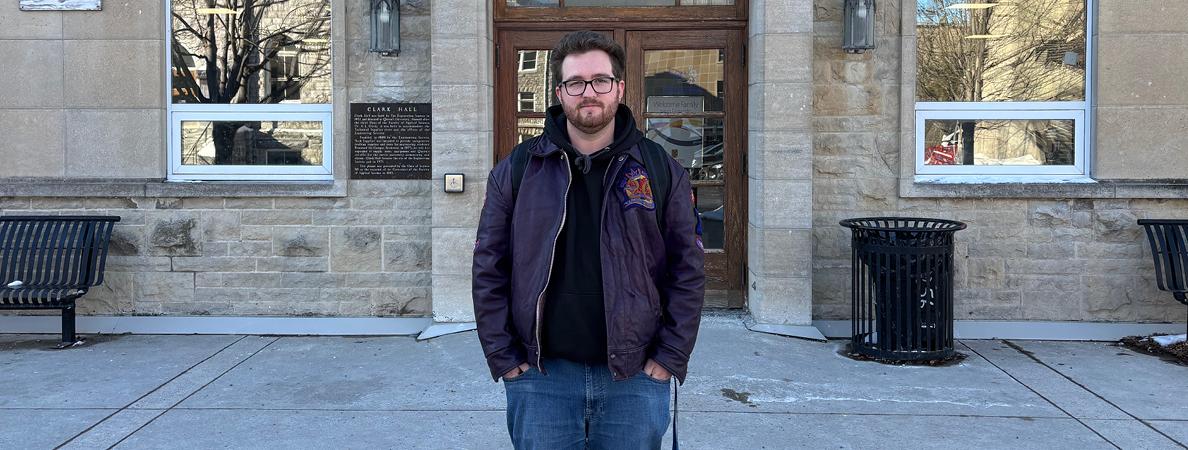
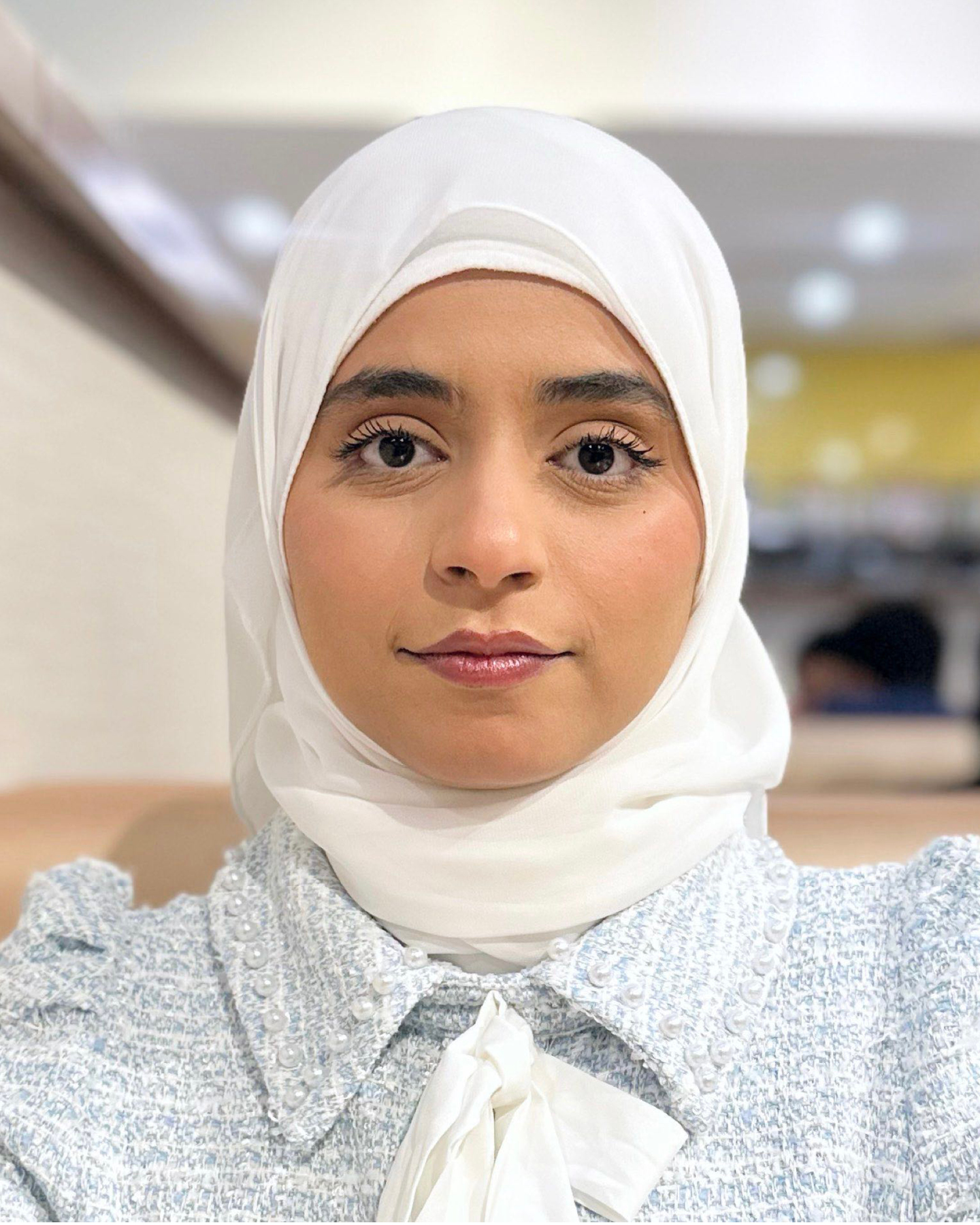
When Rodinah finished high school, she wanted a hands-on introduction to civil engineering before committing to a long-term academic path. Frankie had similar doubts. He was interested in the field, but wasn’t sure if university was the right starting point. Both students found their footing in Mohawk College’s Civil Engineering Technology program.
What began as a practical option paved a pathway to upper-year engineering at Queen’s University through the Queen’s Engineering Bridge.
“Mohawk offered an accessible, affordable route that allowed me to build foundational skills, explore the profession in a meaningful way, and make an informed decision about my future,” says Rodinah. “Looking back, it was the perfect steppingstone, giving me clarity, confidence and a strong technical base to grow from.”
A structured pathway
For students who want to continue their education, the pathway is a direct route from Mohawk College to Queen’s University, without a gap year. Students in a three-year Engineering Technology Advanced Diploma with a minimum 70 per cent cumulative average can apply.
During their final year at Mohawk College, Bridge students complete two to three online, asynchronous Queen’s preparatory courses alongside their regular coursework. For Frankie and Rodinah, that meant linear algebra and physics — courses designed to introduce upper-level expectations before the transition.
“These courses required a significant amount of time each week,” says Frankie. “However, if you manage your time well, it will be no issue. Linear algebra has a significant learning curve … but once you understand the concept, it becomes much easier. The physics course was fairly difficult, but that’s to be expected for a first-year engineering course.”
The summer stretch
The prep courses lead directly into the Summer Bridge — a full-time, in-person term at Queen’s immediately following graduation. It consists of six foundational courses and aligns students academically with their peers entering third year.
While the summer is a chance to get familiar with campus and connect with classmates, it’s also intentionally rigorous.
“The summer bridge term was the most intense academic period I’ve experienced,” says Rodinah. “What stood out to me was the chance to work on interesting projects and the amount of report writing involved. It required strong time management, collaboration and perseverance, and it really showed me what I’m capable of when expectations are high.”
Dr. Brian Frank is a Smith Engineering professor and architect of the Engineering Bridge program. He says hands-on experiences, from co-op and job-site visits to practical assignments and labs, ensure Mohawk College students arrive prepared for that challenge.
“Mohawk College students are positioned well to bridge into Smith Engineering at Queen’s University because of their strong technical background,” he says.
Stepping into third year
The real test came in September. After a demanding summer, both students entered their first Queen’s semester knowing the pace would remain high. Rodinah credits Mohawk College’s applied approach with giving her the confidence she needed. Frankie says he felt up to speed with the other students in the program.
Looking back on their Engineering Bridge experience, Rodinah and Frankie encourage students considering the pathway to take full advantage of their time at Mohawk College.
With a paid co-op embedded in the program, for example, students graduate with meaningful industry experience that can help offset tuition and clarify career goals. For Frankie, who worked with the City of Hamilton’s Water and Waste division, the experience helped sharpen his ambitions.
“My co-op job was a great way to get some insight into what a technologist [does],” he says. “Along with what the instructors had told us we could get into for work, and with this co-op experience, I knew I wanted to be able to do more. This led me to pursue the Bridge pathway.”
Where it leads
By the time they arrived at Queen’s, Rodinah and Frankie weren’t starting from scratch. They were building on technical skills, professional experience and a sense of direction. Completing their degrees at Queen’s expanded their opportunities through advanced labs, research experiences, optional co-op and the academic requirements for Professional Engineer (P.Eng.) registration.
Rodinah says it’s a combination that makes the journey worthwhile.
“The experiences I gained and the people I met along the way from Mohawk to Queen’s shaped the direction I’m excited to be moving toward today,” she says. “…I’m grateful for the path that brought me here.”